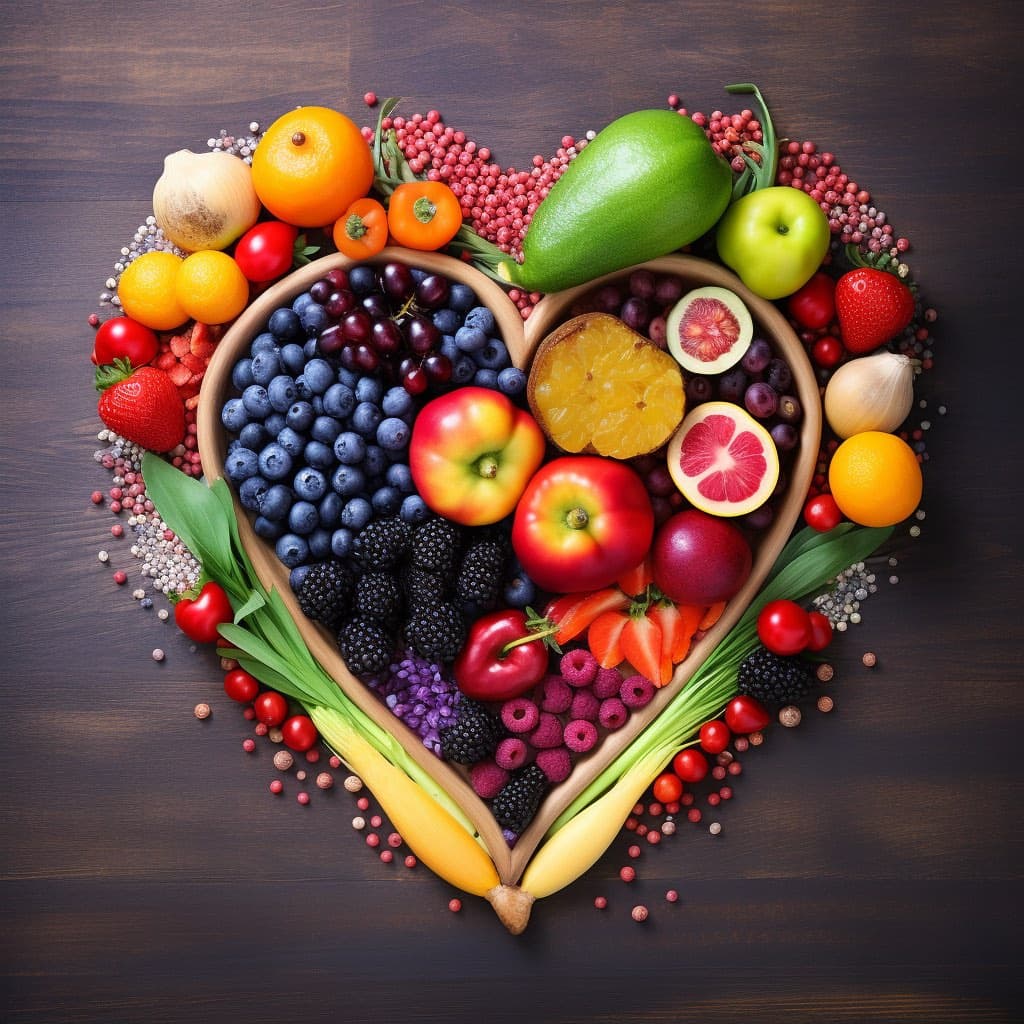
The heart is the powerhouse of our body, constantly working to keep us alive and thriving. Maintaining cardiovascular health is crucial for overall well-being, and one way to support our heart is by incorporating healthy drinks into our daily routine. In this article, we will explore a variety of beverages that can promote heart health, keeping our cardiovascular system strong and resilient.
The Berry Burst: Berry Smoothie
Berries are packed with antioxidants, vitamins, and fiber, making them an excellent choice for heart-healthy drinks. This refreshing and delicious Berry Smoothie combines the goodness of various berries to create a flavorful and nourishing treat.
Recipe
Blend together one cup of mixed berries (such as strawberries, blueberries, and raspberries), a banana, a handful of spinach, and a cup of almond milk. Optionally, you can add a teaspoon of flaxseeds for an extra omega-3 boost.
Benefits
The Berry Smoothie provides a range of nutrients, including antioxidants and fiber, which contribute to heart health by reducing oxidative stress and supporting healthy cholesterol levels.
The Green Powerhouse: Green Tea
Green tea has been celebrated for centuries for its numerous health benefits, including its positive impact on cardiovascular health. Packed with antioxidants called catechins, green tea offers a natural way to support heart health.
Recipe
Brew a cup of green tea by steeping a green tea bag in hot water for a few minutes. You can enjoy it as is or add a slice of lemon or a drizzle of honey for extra flavor.
Benefits
Green tea contains catechins that have been shown to help reduce cholesterol levels, lower blood pressure, and improve blood vessel function, thus promoting a healthy heart.
The Red Wonder: Pomegranate Juice
Pomegranates are known for their vibrant red color and juicy seeds. Packed with antioxidants and phytochemicals, pomegranate juice offers an array of heart-protective benefits.
Recipe
To make fresh pomegranate juice, cut a pomegranate in half and squeeze the seeds using a citrus juicer or a blender. You can strain the juice to remove any pulp or enjoy it as is.
Benefits
Pomegranate juice is rich in antioxidants, particularly polyphenols, which have been shown to reduce inflammation, improve blood flow, and lower blood pressure, contributing to a healthy heart.
The Omega-3 Booster: Chia Seed Smoothie
Omega-3 fatty acids are renowned for their heart-healthy properties. Chia seeds are an excellent plant-based source of omega-3s, making them a valuable addition to heart-healthy drinks.
Recipe
Blend together one tablespoon of chia seeds, a cup of unsweetened almond milk, a ripe banana, and a tablespoon of natural peanut butter for a creamy and nutrient-rich smoothie.
Benefits
Chia seeds are packed with omega-3 fatty acids, which can help reduce inflammation, lower triglyceride levels, and support heart health by improving lipid profiles.
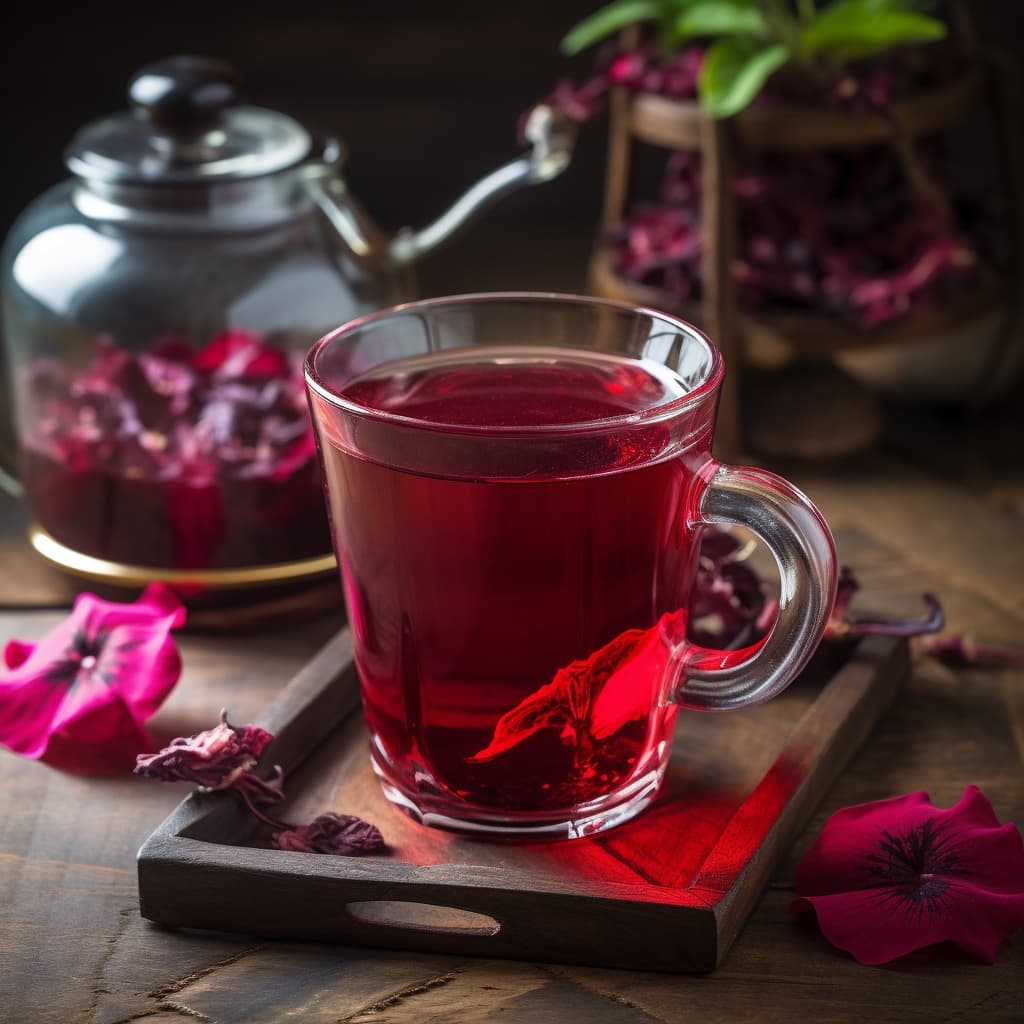
The Healing Elixir: Hibiscus Tea
Hibiscus tea, made from the vibrant and tangy petals of the hibiscus flower, has long been recognized for its cardiovascular benefits. This floral infusion offers a refreshing way to support heart health.
Recipe
Brew hibiscus tea by steeping dried hibiscus petals in hot water for several minutes. You can enjoy it hot or chilled, and add a squeeze of lemon or a touch of honey for added flavor.
Benefits
Hibiscus tea has been shown to lower blood pressure and cholesterol levels, thanks to its natural compounds that have vasodilating and anti-inflammatory effects on the cardiovascular system.
Conclusion
Incorporating heart-healthy drinks into our daily routine is a simple yet effective way to support cardiovascular health. From the antioxidant-rich Berry Smoothie to the heart-protective Green Tea, these beverages offer a delicious and nourishing path to a healthy heart. So, raise a glass to your cardiovascular well-being and enjoy the benefits of these refreshing and flavorful drinks.
FAQs (Frequently Asked Questions)
Can these heart-healthy drinks replace medications for cardiovascular conditions?
No, these drinks are not meant to replace medications prescribed for cardiovascular conditions. They can complement a healthy lifestyle and support heart health, but it's important to consult with a healthcare professional regarding any specific medical conditions or treatment plans.
Are there any precautions to consider when consuming these heart-healthy drinks?
While these drinks are generally safe for most people, it's advisable to be mindful of any potential allergies or interactions with medications. If you have any concerns or underlying health conditions, it's best to consult with a healthcare professional before making significant changes to your diet.
Can children consume these heart-healthy drinks?
Most of these drinks are safe for children, but it's essential to adjust serving sizes and ingredients according to their age and dietary needs. As always, consult with a pediatrician or healthcare professional for guidance specific to your child's health.
Can I consume these drinks if I have dietary restrictions, such as lactose intolerance or gluten sensitivity?
Many of these drinks can be easily adapted to accommodate dietary restrictions. For instance, you can use alternative milk options in smoothies, and choose gluten-free varieties of tea or juice. Be sure to check ingredient labels and choose options that fit your specific dietary requirements.
Can I consume these heart-healthy drinks if I don't have any heart conditions?
Absolutely! These drinks offer numerous health benefits beyond cardiovascular support. They are packed with essential nutrients and antioxidants that can contribute to overall well-being, regardless of whether you have existing heart conditions or not.
Nutrition Snapshot
Use this table as a practical reference, not as a substitute for the label on a specific product. Brands, recipes, and serving sizes vary widely.
| Option | Typical calories | Sugar or carbs | What to check |
|---|---|---|---|
| Whole fruit or vegetable | Varies | Naturally packaged with fiber | Usually more filling than juice |
| Unsweetened juice, 4 oz | 50-80 | 10-18 g | Smaller serving helps limit sugar load |
| Sweetened bottled drink | 100-250+ | 20-50 g | Added sugar can outweigh benefits |
Comparison: Best Uses and Trade-Offs
| Choice | Best use | Main trade-off |
|---|---|---|
| Whole produce | More fiber, chewing satisfaction, and slower digestion | Less convenient than bottled drinks |
| Fresh homemade drink | Ingredient control and fresher flavor | Still needs portion control |
| Store-bought drink | Convenient and consistent | Can be high in sugar, sodium, or additives |
Serving Size Guidance
For most juices and blended drinks, use a small glass rather than an oversized bottle. A 4-8 ounce serving is often enough for flavor and nutrients while keeping sugar, calories, or sodium easier to manage. Plain water can remain the default drink between meals.
Who Should Avoid or Limit It
This drink may not be a good fit for people with allergies, medication interactions, digestive sensitivity, or a medically restricted diet. If the beverage is being used to manage a condition rather than simply enjoyed as part of a meal, it is worth checking with a qualified healthcare professional.
Internal Reading Guide
For related context, see The Importance of Staying Hydrated: Benefits of Drinking Water, The Role of Beverages in Weight Management and Healthy Eating, The Impact of Caffeine on the Body and Health. These articles help connect this topic with hydration, sugar intake, caffeine, digestion, and condition-specific drink choices.
How to Use This Advice in Real Life
The most useful way to judge a health-focused drink is to look at the whole pattern around it. A drink that is helpful with breakfast can be less helpful if it becomes a large sweetened serving between meals. A beverage with antioxidants can still be a poor daily choice if it carries a heavy sugar load. A drink that is fine for one person may be inappropriate for someone with diabetes, kidney disease, reflux, pregnancy-related restrictions, or medication interactions.
A simple approach is to ask three questions before making it a habit. First, what does this drink replace? If it replaces soda, energy drinks, or heavily sweetened coffee drinks, it may be a clear improvement. Second, what does the label show? Calories, added sugar, sodium, caffeine, and serving size matter more than front-label health language. Third, how does your body respond? Digestion, sleep, blood sugar, blood pressure, and appetite are practical signals that should shape the routine.
For health-focused drinks, the best results usually come from consistency and moderation rather than aggressive use. Drinking more does not guarantee more benefit. In many cases, the healthier pattern is a small serving with a meal, plain water between meals, and whole foods as the main source of fiber, protein, vitamins, and minerals.
Editorial Notes for Better Decisions
When evaluating healthy drinks for a healthy heart: promoting cardiovascular health, focus on how the drink fits into a normal day rather than treating it as a shortcut. The healthiest version is usually unsweetened, portion-aware, and paired with meals or snacks that provide fiber, protein, and healthy fats. That context matters because beverages are easy to overconsume, and labels can make small nutritional differences sound more important than they are.
It also helps to compare the drink with the choice it replaces. Replacing soda, sweet tea, or a large dessert-style coffee drink is different from replacing plain water or whole fruit. The better option depends on your health goals, medical background, taste preferences, and how consistently you can maintain the habit.